Clara was not bad with money. She was invisible to it. Transactions happened in the background — the gym she visited twice, the magazine app from a 2021 promotion, the premium tier of an app she used the free version of anyway. None of it was dramatic. That's the point.
"The shame isn't in the big purchases. It's in the small ones you forgot to cancel. Those are the ones that cost you $400 a month and require no decision at all."
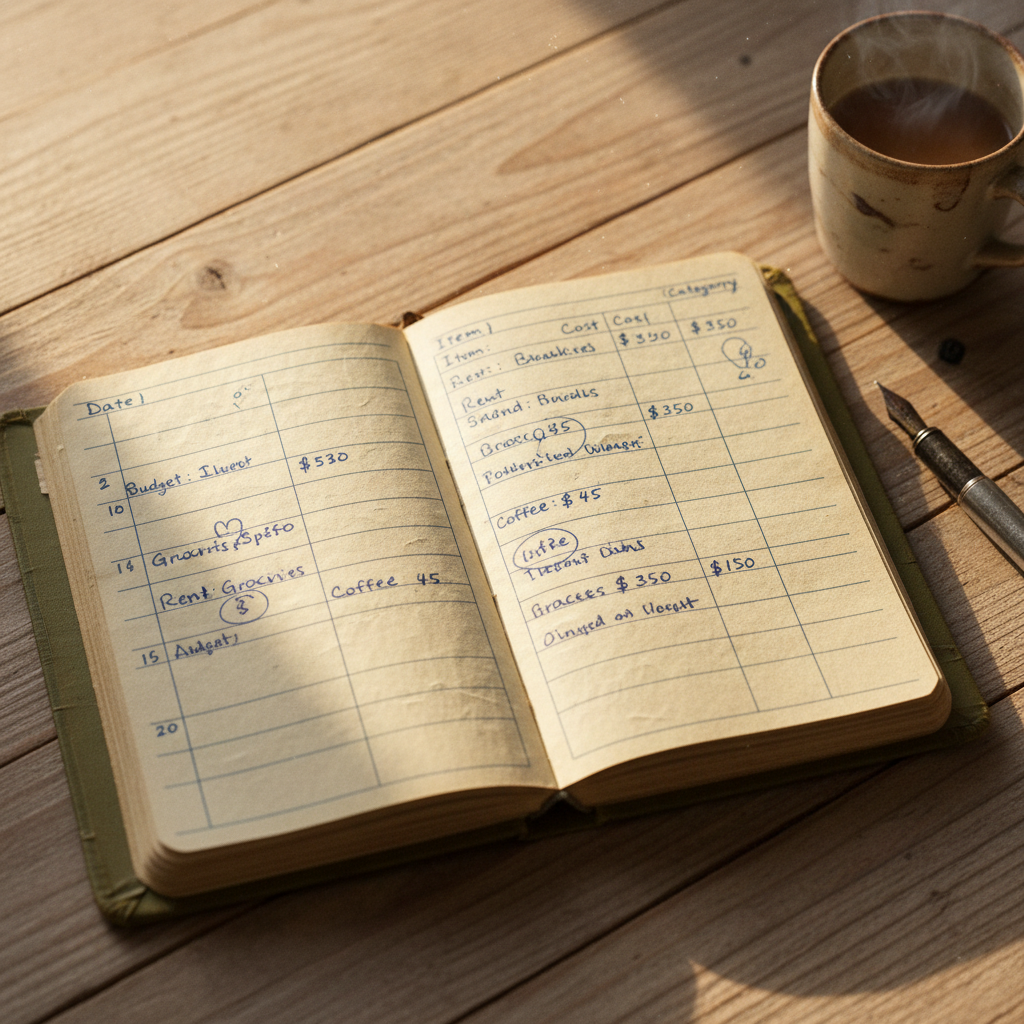
She printed twelve months of bank statements — the full year, not a summary — and spread them on the kitchen table. Yellow highlighter for recurring charges. Orange for anything she couldn't immediately name. Red for anything she hadn't used in sixty days.
By noon, the table was mostly red.
She didn't build a budget that day. She built a cancel list. And she worked through it methodically, service by service, over the next three Sundays. By the end of the month she had freed up $900 — not by earning more, not by moving money between accounts, but by stopping the bleed.
"You don't need to invest before you stop bleeding. Stopping the bleeding is the investment."